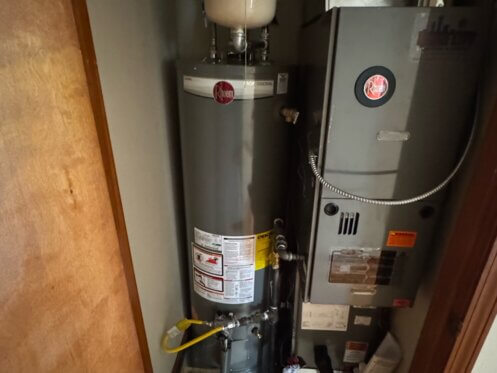
Does a Gas Furnace Use Electricity?
Yes, a gas furnace uses electricity even though natural gas produces the heat. Electricity powers the thermostat, ignition system, control board, safety switches, inducer motor,… View Article
Continue ReadingYes, a gas furnace uses electricity even though natural gas produces the heat. Electricity powers the thermostat, ignition system, control board, safety switches, inducer motor,… View Article
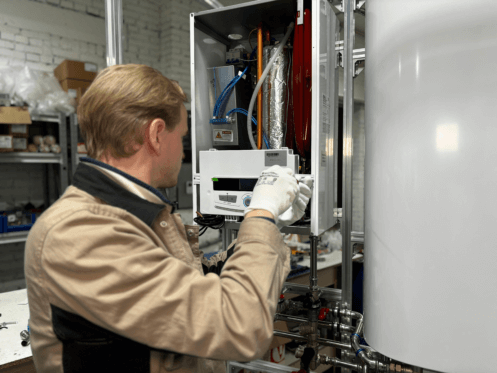
Continue ReadingThe U.S. Department of Energy recommends setting your water heater to 120°F (49°C). This temperature balances safety, energy efficiency, and comfort for most households, while… View Article
Continue ReadingWhen your air conditioner suddenly stops cooling on a hot Missouri day, the problem may be surprisingly small. One common culprit is the AC capacitor,… View Article
Continue ReadingIf you’re considering replacing your heating and cooling system, one of the first questions you’ll likely ask is, “What does a new HVAC system include?”… View Article
Continue ReadingThe most common HVAC problems include dirty air filters, refrigerant leaks, frozen evaporator coils, thermostat failures, clogged condensate drains, dirty condenser coils, blower motor problems,… View Article
Continue ReadingA screeching air conditioner is caused by a failing blower motor, worn motor bearings, a slipping fan belt (on older systems), a failing condenser fan… View Article
Continue ReadingA commercial rooftop HVAC unit, often called an RTU, or rooftop unit, is a self-contained heating, cooling, and ventilation system installed on a building’s roof…. View Article
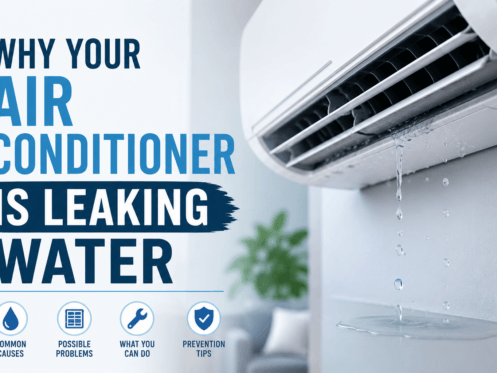
Continue ReadingIf your air conditioner is leaking water, the most likely causes are a clogged condensate drain line, a frozen evaporator coil, a dirty air filter,… View Article
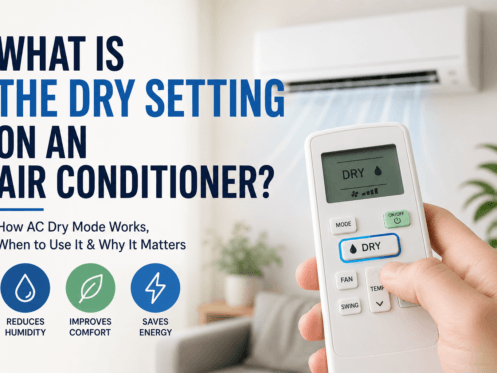
Continue ReadingThe dry setting on an air conditioner removes excess moisture from the air while using less cooling power than standard cool mode. It helps improve… View Article
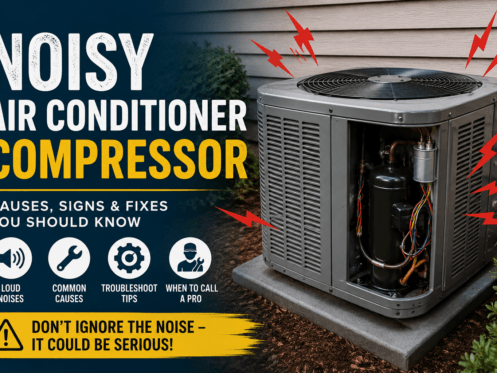
Continue ReadingA noisy air conditioner compressor is commonly caused by loose components, electrical problems, refrigerant issues, failing motor parts, or compressor wear. Buzzing, rattling, or loud… View Article
Continue Reading©2026 Queen City Heating & Cooling, LLC. All Rights Reserved. Privacy Policy.