
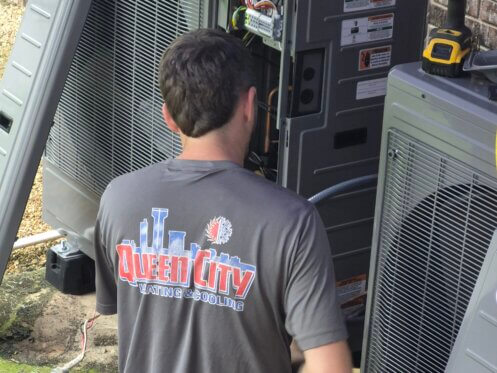
A screeching air conditioner is caused by a failing blower motor, worn motor bearings, a slipping fan belt (on older systems), a failing condenser fan motor, or excessive refrigerant pressure. Because these problems involve moving mechanical parts, it’s best to turn the system off until the cause is identified.
Why Is Your Air Conditioner Making a Screeching Noise?
Not all AC noises mean the same thing. A clicking thermostat, a humming compressor, or a brief whooshing sound can all be normal. A screeching or screaming noise, however, almost always points to a mechanical problem that requires attention.
The location of the noise often tells you where to start. If the sound comes from inside your home near the furnace or air handler, the blower assembly is usually responsible. If the noise comes from the outdoor condenser unit, the condenser fan motor or compressor is the more likely culprit.
Let’s look at the most common causes.
1. Worn Blower Motor Bearings
This is one of the most frequent causes of a high-pitched screech.
The blower motor spins thousands of times every minute to move conditioned air throughout your home. After years of operation, the bearings inside the motor begin wearing out.
When they do, metal surfaces create friction, producing a loud squeal or screech.
Other symptoms usually include:
- Weak airflow from vents
- Noise that becomes louder over time
- Burning smell from the air handler
- Motor overheating
- System shutting itself off
Unfortunately, bearings inside many modern blower motors cannot be replaced individually. The entire motor often needs replacement.
2. Failing Condenser Fan Motor
If the screech is coming from the outdoor unit, the condenser fan motor may be failing.
This fan removes heat from the refrigerant as your air conditioner cools the house.
When the motor bearings begin to wear out, they produce a loud metal-on-metal screech.
If ignored, the fan can eventually stop spinning altogether.
Without proper airflow across the condenser coil, the compressor overheats, which can become one of the most expensive HVAC repairs.
3. Loose or Worn Fan Belt (Older Systems)
Most modern residential air conditioners use direct-drive motors and don’t have belts.
However, older systems and many commercial HVAC units still rely on drive belts.
As the belt ages, it becomes dry, glazed, stretched, or cracked.
Instead of gripping properly, it slips across the pulley and produces the classic squealing noise similar to a slipping car belt.
If your HVAC system is more than 15 years old, this is worth checking.
4. Compressor Problems
A compressor that is beginning to fail can produce an extremely loud screech or screaming noise.
Unlike a blower motor squeal, compressor noises often sound more intense.
Possible causes include:
- Internal mechanical failure
- High refrigerant pressure
- Failing valves
- Worn internal bearings
- Compressor seizure
This is not a DIY repair.
Because the compressor is the heart of your air conditioning system, continuing to operate it can cause catastrophic failure.
5. Excessive Refrigerant Pressure
Sometimes the screech isn’t coming from moving parts at all.
Under certain operating conditions, extremely high refrigerant pressure can create a loud shrieking or screaming sound as refrigerant moves through restricted components.
High head pressure may result from:
- Dirty condenser coils
- Overcharged refrigerant
- Blocked airflow
- Extremely high outdoor temperatures
- Condenser fan problems
A technician can verify refrigerant pressures using specialized gauges.
Is It Safe to Keep Running an AC That’s Screeching?
Generally, no. A screeching noise means excessive friction or mechanical stress is occurring somewhere inside the system.
Every additional minute of operation increases the chance of permanent damage.
If you hear a continuous screech:
- Turn the thermostat off.
- Switch the system off at the thermostat.
- If the noise continues, shut off power at the breaker.
- Schedule an HVAC inspection before restarting the system.
Ignoring the warning can easily turn a few hundred dollars in repairs into several thousand dollars.
How Much Does It Cost to Fix a Screeching Air Conditioner?
Repair costs depend entirely on what’s causing the noise. Replacing a blower motor typically costs less than replacing a compressor, while installing a new fan motor generally falls somewhere in between.
If the issue is caught early, repairs are usually much more affordable than waiting for complete component failure.
That’s why experienced HVAC technicians recommend investigating unusual noises as soon as they begin rather than waiting until the system stops cooling.
How HVAC Technicians Find the Problem
During a service call, a technician will usually:
- Listen carefully to identify the type and location of the noise.
- Inspect both indoor and outdoor motors.
- Check fan blades for damage.
- Test capacitors and electrical components.
- Measure refrigerant pressures.
- Verify airflow through the system.
- Inspect the compressor for signs of internal failure.
Most screeching noises can be diagnosed during a single maintenance visit.
Can Regular Maintenance Prevent Screeching Noises?
In many cases, yes. Annual HVAC maintenance allows technicians to detect worn motors, failing bearings, loose components, and airflow issues before they become serious.
Routine maintenance also improves efficiency, reduces energy bills, and extends the life of your air conditioner. Many of the expensive repairs I see each summer could have been avoided with a preseason inspection.
Final Thoughts
A screeching air conditioner is your HVAC system’s way of telling you something is wrong. Whether it’s worn blower motor bearings, a failing condenser fan motor, an aging belt, or the compressor beginning to fail, ignoring the sound almost always makes the repair more expensive.
If your AC suddenly starts making a loud screeching or squealing noise, turn it off and have it inspected before continuing to use it. Catching the problem early can often save the motor, protect the compressor, and help you avoid a major breakdown during the hottest days of summer.
By acting quickly, you’ll improve your chances of a simple repair instead of facing the cost and inconvenience of replacing an entire cooling system.